 Akash Kumar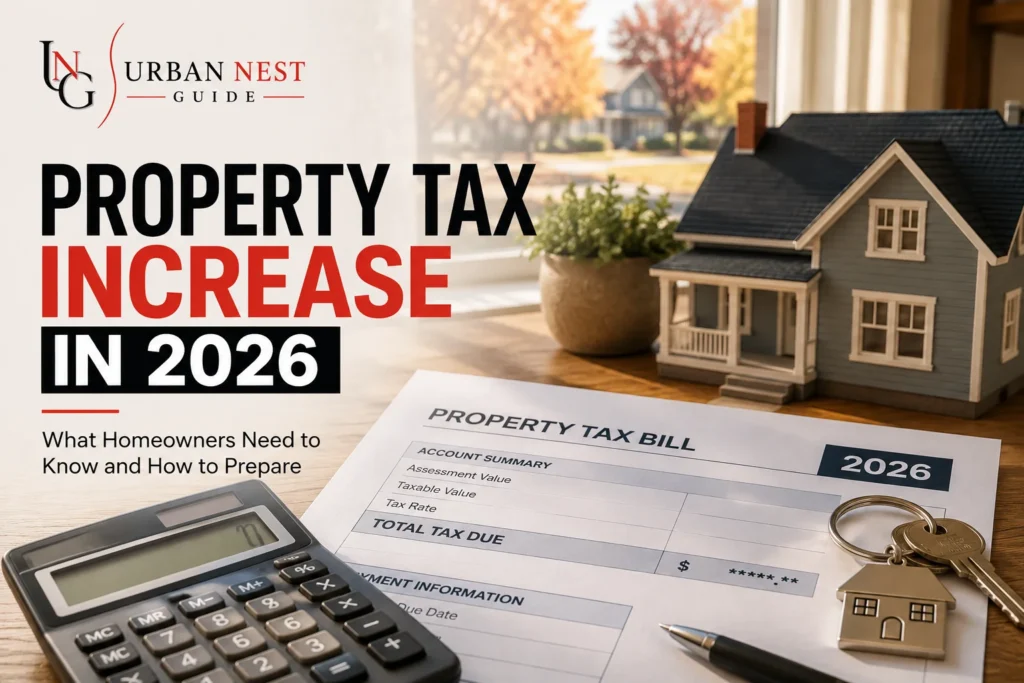
If you own a home in the United States, there is a good chance your property tax bill went up in 2026; in some counties, it went up a lot. From Florida to New Jersey to Minnesota, homeowners are opening truth-in-taxation notices and reassessment letters with a familiar sinking feeling.
The frustrating part: your tax can climb even when you have not changed a thing about your home. Let’s unpack why this is happening across so many states at once, where the increases are sharpest, and, most importantly, the concrete steps you can take to push your bill back down.
Key Takeaways
- The new rate: California’s minimum wage rises to $17.40 per hour on January 1, 2027, up from $16.90.
- Who decided it: Governor Newsom announced it on August 1, 2026; the increase is automatic and tied to inflation.
- What you gain: a full-time worker earns roughly $20 more per week, about $1,040 more per year before taxes.
- The catch: some cities already pay more, and some economists warn about higher prices or fewer hours.
- Smart move: treat the raise like a plan, not a surprise; even half of it can rebuild your savings.
Why Are Property Taxes Going Up in 2026?
Property tax is usually built from two pieces: the assessed value of your home and the tax rate set by your local government (city, county, school district and sometimes more). When either piece rises, your bill rises.
In 2026, both are under pressure.
- Home values went up: home prices climbed for years, and assessments are catching up. A higher assessed value means a higher bill, even at the same rate.
- Local budgets grew: cities, counties and school districts face higher costs for services, salaries and construction, so many are raising the money they collect.
- Reassessment timing: in some places, homes simply had not been reassessed in a while, so the update arrives as a jump rather than a gentle climb.
The result is a wave of increases hitting mailboxes at roughly the same time, which is why property taxes are suddenly a national conversation.
Where the Increases Are Sharpest
A few 2026 stories stand out, and they make useful, specific hooks if this topic hits close to your city:
Jersey City, New Jersey: the City Council introduced a budget that raises the municipal tax rate by 15.5 percent, and the school and county portions are also set to rise. That is one of the steeper single-year municipal jumps in the country this year.
Florida: a 2026 report found property taxes have surged statewide, with some counties seeing tax growth above 130 percent over recent years. Walton, Pasco and Osceola counties topped the list.
Minnesota: preliminary data pointed to statewide property tax levies rising by as much as 6.9 percent for 2026, close to a billion dollars in total.
Texas: cities like El Paso saw average home values rise about 3 percent, and because state law caps how fast taxable value can climb, many homeowners face increases for several years running.
Which States Pay the Most (and the Least)?
Where you live matters enormously. According to a WalletHub property tax study, effective rates vary wildly from state to state. Here is a snapshot of the extremes:
| Highest-tax states | Effective rate | Typical annual bill |
| New Jersey | 2.23% | about $9,541 |
| Illinois | 2.07% | about $5,189 |
| Connecticut | 1.92% | about $6,575 |
| New Hampshire | 1.77% | about $6,505 |
| Texas | 1.58% | about $4,790 |
| Hawaii | 0.27% | about $888 |
| Alabama | 0.38% | about $1,185 |
| Colorado | 0.49% | about $2,460 |
| Nevada | 0.49% | about $1,970 |
| South Carolina | 0.51% | about $1,530 |
For context, the U.S. Census Bureau puts the average American household’s property tax around $3,119 a year. Renters are not off the hook either; landlords often pass higher taxes along through rent.
The Growing Property Tax Revolt
Homeowners are pushing back, and lawmakers are listening. In what experts have called a property tax revolt, states including Florida, Iowa, Kansas, Michigan and others have debated cuts, caps or even phasing property taxes out for primary homes. Some proposals would shift the burden toward sales taxes instead, which comes with its own trade-offs.
The reality: full elimination is a long shot, because property taxes fund schools, police and local services. More targeted relief, such as bigger homestead exemptions or tighter caps, is the likelier outcome. Keep an eye on your state legislature this year; changes could land on a ballot near you.
How to Lower Your Property Tax Bill: 5 Real Steps
You are not powerless here. These are the moves that actually work for everyday homeowners:
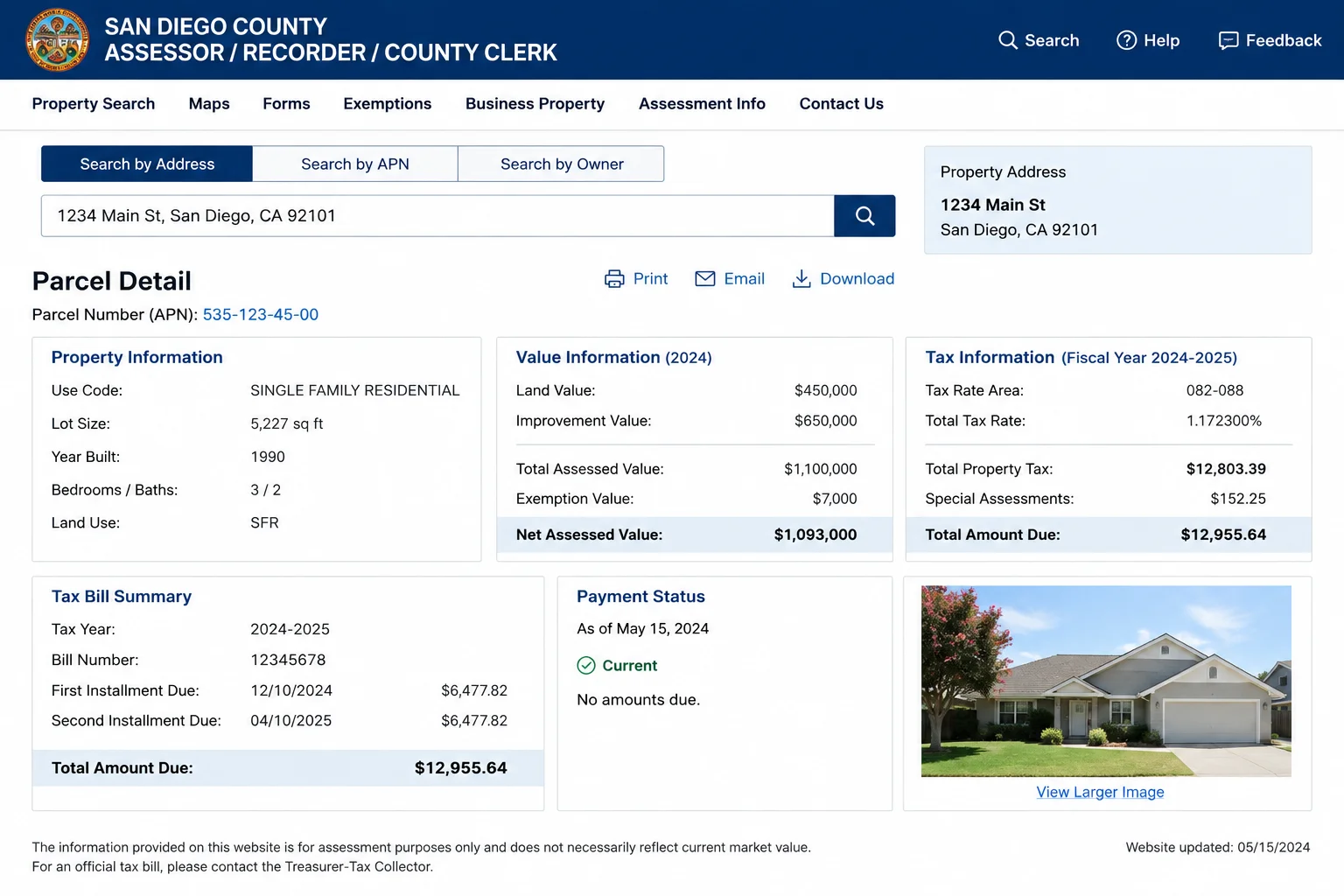
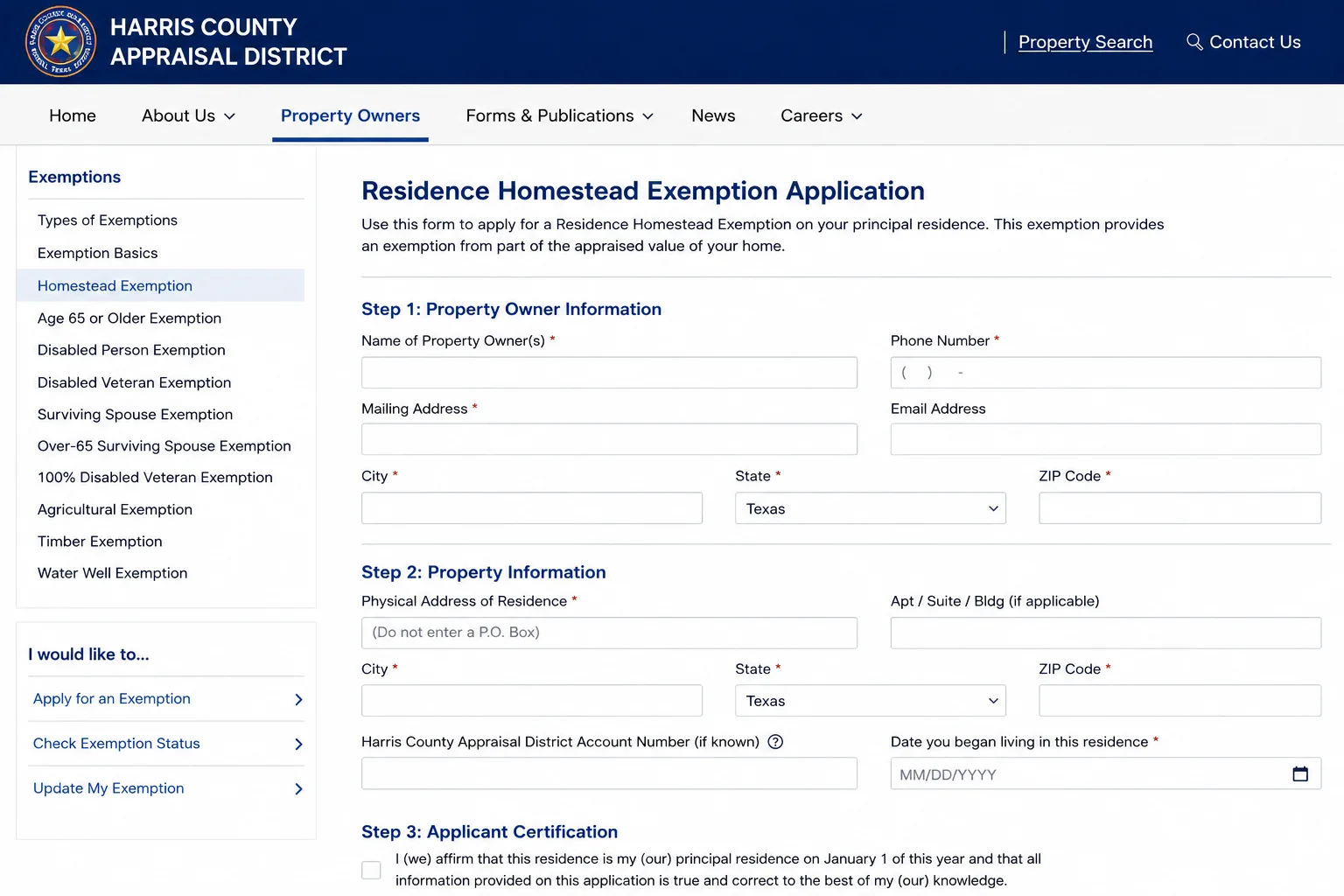
- Claim your homestead exemption. If the home is your primary residence, most states offer an exemption that lowers your taxable value. It is often underused simply because people forget to file. Check your county assessor’s site.
- Read your assessment carefully. Errors are common: wrong square footage, a bathroom you do not have, and an incorrect lot size. If the details are wrong, the value is wrong.
- File an appeal. If comparable homes near you are assessed lower, you can usually protest your valuation. There is typically a deadline printed on your notice, so do not wait.
- Look for other exemptions. Seniors, veterans, people with disabilities and some others may qualify for additional relief in many states.
- Plan for it in your budget. If your bill is paid through an escrow account with your mortgage, a tax increase can quietly raise your monthly payment. Build the change into your plan before it surprises you.
What a Rising Bill Means for Your Monthly Budget
Even a few hundred dollars a year adds up, especially if it flows through your mortgage escrow and quietly lifts your monthly payment. The fix is the same as with any rising cost: see it early and plan around it. Our 50/30/20 budget guide is a simple place to start, and a healthy emergency fund keeps a surprise tax bill from turning into credit card debt.
If a bigger tax bill has you leaning on credit, it is also worth understanding how that affects your credit score, since high balances can drag it down right when you may need good credit most.
FAQs
Q1. Why did my property taxes go up in 2026?
Most 2026 increases come from two sources: rising home values that push up your assessed value and local governments raising the money they collect for schools and services. In some areas, homes were also reassessed after several years, so the update arrives as a larger jump.
Q2. Which state has the highest property taxes?
New Jersey has the highest effective property tax rate, around 2.23 percent, with a typical bill near $9,541 a year. Illinois and Connecticut are close behind. Hawaii has the lowest effective rate at about 0.27 percent.
Q3. How can I lower my property tax bill?
Start by claiming your homestead exemption if the home is your primary residence, check your assessment for errors, and file an appeal if comparable homes are valued lower. Seniors, veterans and people with disabilities may qualify for extra exemptions.
Q4. Can I appeal my property tax assessment?
Yes. Most counties let you protest your valuation, usually before a deadline printed on your assessment notice. If nearby comparable homes are assessed for less than yours, you have a reasonable case.
Q5. Do renters pay property taxes?
Not directly, but they often feel the effect. Landlords typically pass higher property taxes along through rent, so rising local taxes can push rents up over time.
| • Sources and further reading: |
- WalletHub: states with the highest and lowest property taxes
- U.S. Census Bureau (household property tax data)
- Tax Foundation: property tax research
Disclaimer: This article is for general education, not financial, tax or legal advice. Property tax rules vary widely by state and county; confirm details with your local assessor or a qualified professional.
About The Author