
 Akash Kumar
Tax talk makes most people’s eyes glaze over, so let us keep this simple and useful. The IRS just released the new tax brackets and standard deduction amounts for 2026, and these are the numbers that decide how much of your paycheck you actually keep. The good news: for most people, the changes work slightly in your favor.
In this guide, we will explain what changed, clear up the biggest myth about how tax brackets work, and share practical ways to lower what you owe. No accounting degree required.
The 2026 Changes at a Glance
- The seven tax rates stay the same: 10%, 12%, 22%, 24%, 32%, 35%, and 37%. Only the income ranges moved up.
- The standard deduction went up: $16,100 for single filers and $32,200 for married couples filing jointly.
- Higher thresholds help you: more of your income is taxed at lower rates, which can mean a slightly bigger refund.
- Retirement limits rose too: you can contribute more to IRAs and 401(k) plans in 2026.
- These apply to 2026 income: the return you file in early 2027.
First, How Do Tax Brackets Actually Work?
This is the single most misunderstood idea in personal finance, so let us clear it up for good. Many people believe that if you move into a higher tax bracket, all of your income gets taxed at that higher rate. That is simply not true, and believing it causes a lot of unnecessary worry.
The US uses a progressive tax system, which means your income is taxed in layers. Only the portion of your income that falls inside each bracket is taxed at that bracket’s rate. Think of it like filling a series of buckets: the first bucket fills at 10%, the next at 12%, and so on.
Getting a raise that pushes you into the next bracket only means the extra dollars in that top bucket are taxed higher, never your whole paycheck.
Here is a real example. Imagine a married couple with $150,000 in gross income in 2026. They subtract the standard deduction of $32,200, leaving $117,800 in taxable income. Their tax is built in layers, not all at one rate:
| Income layer | Tax rate | Tax on that layer |
| First $24,800 | 10% | $2,480 |
| $24,800 to $100,800 | 12% | $9,120 |
| $100,800 to $117,800 | 22% | $3,740 |
| Total tax owed | — | about $15,340 |
So even though this couple’s top marginal tax rate is 22%, their effective tax rate, the actual share of income they pay, is only about 13%. That difference between marginal and effective is the key to understanding your taxes. Once it clicks, the whole system feels far less scary.
The New 2026 Tax Brackets (Single and Married)
Here are the 2026 federal income tax brackets for the two most common filing statuses. Remember, these apply to your taxable income, which is your total income minus your deductions.
| Rate | Single filer | Married filing jointly |
| 10% | $0 to $12,400 | $0 to $24,800 |
| 12% | $12,401 to $50,400 | $24,801 to $100,800 |
| 22% | $50,401 to $105,700 | $100,801 to $211,400 |
| 24% | $105,701 to $201,775 | $211,401 to $403,550 |
| 32% | $201,776 to $256,225 | $403,551 to $512,450 |
| 35% | $256,226 to $640,600 | $512,451 to $768,700 |
| 37% | over $640,600 | over $768,700 |
Compared to 2025, every threshold moved up a bit to account for inflation. This is a good thing. It helps prevent something called bracket creep, where rising prices push you into a higher bracket even though your money does not actually buy more. By nudging the brackets upward, the IRS keeps inflation from quietly raising your taxes.
Why the Brackets Change Every Year
You might wonder why the IRS bothers adjusting these numbers annually. The answer is inflation, and understanding it helps you see why these updates are actually protecting you.
Imagine your salary goes up 3% just to keep pace with rising prices. You are not actually richer; your money simply buys the same amount of groceries and gas as before. But without adjustments, that raise could push part of your income into a higher tax bracket, meaning you pay more tax for no real gain in buying power. That sneaky effect is called bracket creep.
To stop that from happening, the IRS raises the bracket thresholds and the standard deduction each year to match inflation. So when you see the 2026 numbers went up by roughly 2% to 3%, that is the system working as intended: it keeps inflation from quietly raising your taxes. It is one of the few automatic protections built into the tax code, and it is genuinely on your side.
Marginal Rate Versus Effective Rate: The Difference That Saves You Stress
We touched on this above, but it deserves its own moment because it changes how you should think about a raise. Your marginal tax rate is the rate on your last dollar earned, in other words, your top bracket. Your effective tax rate is the actual percentage of your total income that you pay after all the layers are added up.
In our earlier example, the couple had a 22% marginal rate but only a 13% effective rate. That gap is huge, and it means you should never turn down a raise or extra work out of fear of taxes. A common myth is that earning a little more can somehow leave you with less after taxes. In a progressive system, that essentially never happens; earning more always leaves you with more take home pay, because only the extra dollars in the higher bracket are taxed at the higher rate.
The Standard Deduction Got Bigger Too
The standard deduction is the amount of income you can earn tax free before any tax rates apply. Most people take it rather than itemizing, and for 2026 it went up again:
| Filing status | 2026 standard deduction | Up from 2025 |
| Single | $16,100 | $15,750 |
| Married filing jointly | $32,200 | $31,500 |
| Head of household | $24,150 | $23,625 |
A bigger standard deduction means less of your income gets taxed, which is a quiet win for almost everyone. There is also a special bonus deduction for people age 65 and older, worth up to $6,000 per senior through 2028, which can meaningfully lower a retiree’s tax bill.
For the official figures and any late updates, the IRS website is always the authoritative source. It is worth checking directly rather than trusting a random social media post, especially since tax rules can change.
Retirement Limits Went Up, and That Is a Gift
Here is a change that can build real wealth over time: the amount you can put into tax advantaged retirement accounts increased for 2026. Contributing more to these accounts does double duty; it lowers your taxable income today and it grows your nest egg for the future.
If you are not sure which retirement account to use, our breakdown of the Roth IRA versus traditional IRA explains the difference in plain terms. The short version: a traditional account lowers your taxes now, while a Roth account gives you tax free withdrawals later. Both are powerful, and inside either one, a simple low cost index fund is a beginner friendly way to actually invest the money you contribute.
Standard Deduction or Itemizing: Which Should You Choose?
When you file, you get to lower your taxable income in one of two ways, and you pick whichever saves you more. Understanding the choice can put real money back in your pocket.
- The standard deduction: a flat amount, no receipts or math required. For most people, especially now that the amount is higher, this is the simpler and larger option.
- Itemizing: adding up specific deductible expenses like mortgage interest, state and local taxes, and charitable donations. This only makes sense if those add up to more than the standard deduction.
Because the 2026 standard deduction rose again, even fewer households will benefit from itemizing. A quick rule of thumb: if you own a home with a sizable mortgage, give a lot to charity, or pay high state taxes, it is worth adding up your itemized deductions to compare. Otherwise, the standard deduction is almost always the easier win. There is also a new option starting in 2026 that lets people who take the standard deduction still deduct some charitable giving, so generous savers get a small bonus.
Tax Credits Versus Deductions: Know the Difference
This is one of the most valuable distinctions in the whole tax code, and most people never learn it. Both save you money, but not equally.
- A deduction lowers the amount of income you get taxed on. If you are in the 22% bracket, a $1,000 deduction saves you about $220.
- A credit lowers your actual tax bill dollar for dollar. A $1,000 credit saves you the full $1,000.
That means credits are far more powerful than deductions of the same size. The child tax credit, for example, is now $2,200 per qualifying child, and the earned income tax credit can be worth thousands for lower and moderate income families. Always check which credits you qualify for before you file, because leaving them unclaimed is like walking past free money on the sidewalk.
5 Simple Ways to Lower Your Tax Bill
You do not need fancy loopholes to keep more of your money. These everyday moves are legal, simple, and available to regular people.
- Max out retirement contributions. Money you put into a traditional 401(k) or IRA lowers your taxable income for the year, sometimes dropping you into a lower bracket.
- Use an HSA if you qualify. A health savings account offers a rare triple tax advantage: tax free in, tax free growth, and tax free out for medical costs.
- Take the right deduction. Compare your itemized deductions to the standard deduction and take whichever is larger. With the higher 2026 standard deduction, most people are better off taking it.
- Claim your credits. Tax credits like the child tax credit (now $2,200 per child) cut your tax bill dollar for dollar, which is even better than a deduction.
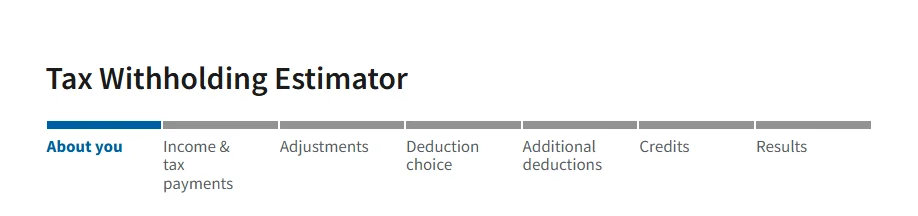
- Check your withholding. If you got a huge refund or a surprise bill last year, adjust your W-4 so your paycheck withholding matches what you actually owe.
One quick clarification, because it confuses many people: a deduction lowers the income you get taxed on, while a credit lowers your actual tax bill directly. Credits are more valuable dollar for dollar, so never overlook the ones you qualify for.
What This Means for Your Refund
Will your refund be bigger in 2026? Possibly, but not for everyone. Higher brackets and a bigger standard deduction mean some people will have slightly less taxable income, which can lead to a larger refund or a smaller balance due. But your personal result depends on your income, your withholding, and the credits you claim.
Whatever your refund looks like, have a plan for it before it arrives. A refund is not free money; it is your money coming back. Smart moves include topping up your emergency fund, paying down high interest debt, or investing it for the future. If you tend to spend windfalls without thinking, run your refund through the 50/30/20 budget framework so it actually improves your finances instead of vanishing.
A Simple Year Round Tax Strategy for Beginners
Most people only think about taxes in the spring, then scramble. A little planning through the year makes tax time painless and keeps more money in your pocket. Here is a beginner friendly rhythm to follow.
- Early in the year: check your paycheck withholding using the free IRS estimator, so you are not overpaying or setting up a surprise bill.
- All year: contribute steadily to retirement accounts rather than in one last minute rush. Automating it makes this effortless.
- Keep simple records: save receipts for anything possibly deductible and a folder for tax documents, so nothing is lost by filing time.
- Late in the year: review whether contributing a bit more to a 401(k) or IRA could lower your bracket, and make any charitable gifts you planned.
This steady approach beats the annual panic every time. It also means that when the new numbers come out each year, like these 2026 brackets, you already understand how they fit into your plan instead of feeling blindsided.
What These Changes Mean for Everyday Americans
Let us zoom out. For the average worker, the 2026 updates are quietly good news. A higher standard deduction means more of your income is shielded from tax before rates even apply. Wider brackets mean a raise is less likely to bump you into a higher rate.
And bigger retirement limits give you more room to build wealth while lowering today’s tax bill. None of it is dramatic on its own, but together these changes gently tilt the math in your favor.
The people who benefit most are the ones who actually understand and use these rules, which now includes you. Knowing how brackets really work stops you from fearing a raise. Knowing the difference between a credit and a deduction helps you claim every dollar you are owed.
And knowing that retirement contributions cut your taxable income turns tax planning into wealth building. That is the real goal here: not just paying less tax this year, but using the system to build a stronger financial future.
The Bottom Line
The 2026 tax brackets and the higher standard deduction are a modest win for most taxpayers. The seven rates have not changed, but the income thresholds and deductions moved up to keep pace with inflation, which protects you from bracket creep.
Remember the big lessons: your income is taxed in layers, so a raise never costs you your whole paycheck; the standard deduction is bigger and simpler for most people; credits beat deductions dollar for dollar; and contributing to retirement accounts lowers your taxes while growing your money.
Understand these basics, plan a little through the year, and tax season becomes just another simple part of a healthy financial life.
FAQs
Q1. What are the 2026 federal tax brackets?
For 2026, the seven federal tax rates remain 10%, 12%, 22%, 24%, 32%, 35%, and 37%. The income thresholds rose for inflation. For single filers, the 22% bracket starts at $50,401 and the top 37% rate begins above $640,600. For married couples filing jointly, the 37% rate starts above $768,700.
Q2. What is the standard deduction for 2026?
The 2026 standard deduction is $16,100 for single filers, $32,200 for married couples filing jointly, and $24,150 for heads of household. Taxpayers age 65 and older can claim an additional deduction, plus a temporary senior bonus of up to $6,000 through 2028.
Q3. Do I pay the top tax rate on all my income?
No. The US uses a progressive system, so your income is taxed in layers. Only the portion of income that falls within each bracket is taxed at that rate. Your effective tax rate, the actual share you pay, is usually much lower than your top bracket.
Q4. When do the 2026 tax brackets apply?
The 2026 brackets apply to income you earn during the 2026 calendar year, which you will report on the tax return you file in early 2027. They do not affect the return you file for 2025 income.
Q5. How can I pay less in taxes legally?
Contribute to tax advantaged accounts like a 401(k), IRA, or HSA to lower your taxable income, claim every tax credit you qualify for such as the child tax credit, take the larger of the standard or itemized deduction, and adjust your withholding so it matches what you actually owe.
Disclaimer: This article is for general education, not tax advice. Tax situations vary; consult a qualified tax professional or the IRS for guidance specific to you.
About The Author