 Akash Kumar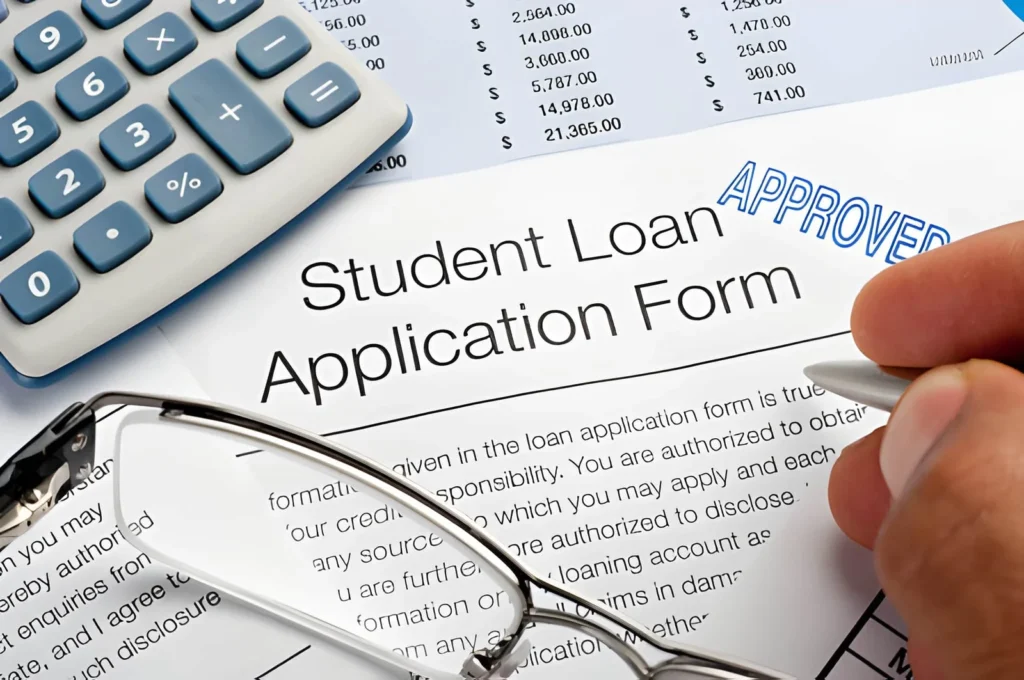
Eligible federal student loan borrowers now have until December 31, 2026, to enroll in auto pay for the temporary rate reduction
The U.S. Department of Education has extended the enrollment deadline for a temporary 1 percentage point federal student loan interest-rate reduction. Eligible borrowers who enroll in auto pay by December 31, 2026, or who are already enrolled, can receive the reduction through June 30, 2028, as long as they remain eligible and stay in auto pay.
The previous enrollment deadline was September 30. The Department announced the three-month extension on September 29 and said nearly 2 million federal student loan borrowers had enrolled since the incentive was introduced.
This extension is separate from the deadline affecting borrowers leaving the SAVE Plan. A SAVE borrower generally has 90 days from the date of the individual servicer notice to select a new repayment plan. The exact date is not automatically December 31 for everyone.
Key Takeaways
- The official auto-pay enrollment deadline is now December 31, 2026.
- The temporary reduction is 1 percentage point and lasts through June 30, 2028 for eligible borrowers who remain in auto pay.
- Eligible loans generally include Federal Direct Loans originated after July 1, 2012.
- Borrowers already enrolled in auto pay should receive the adjustment automatically.
- SAVE borrowers must still check the exact 90-day deadline in their servicer notice.
- Auto pay should be used only after confirming the payment amount and keeping enough money in the linked account.
What did the Education Department announce?
On September 29, the U.S. Department of Education extended the auto-pay enrollment period by three months.
Before July 1, 2026, the standard federal student loan auto-pay reduction was 0.25 percentage point. The temporary program increases the total reduction to 1 percentage point for qualifying loans. That is an interest-rate reduction, not a 1% reduction in the loan balance and not a 1% cut in the required monthly payment.
For example, an eligible loan with a 6.5% stated rate could temporarily be charged at 5.5% while the borrower qualifies. The actual savings depend on the balance, repayment plan, timing, and how quickly principal declines.
The Department says the benefit continues through June 30, 2028. A borrower must remain enrolled in auto pay and meet the program’s eligibility rules.
Who may qualify for the temporary 1% reduction?
According to the Department’s announcement, the additional reduction is intended for borrowers whose Federal Direct Loans originated after July 1, 2012. It can include eligible student borrowers and parent borrowers.
The following groups may qualify if all requirements are met:
- Borrowers already enrolled in auto pay
- Borrowers who enroll by December 31, 2026
- Eligible Direct Loan borrowers in an active repayment status
- Former SAVE borrowers who select an eligible new repayment plan and then enroll in auto pay
- Borrowers who bring defaulted eligible loans back into good standing, enter repayment, and enroll
Eligibility is loan-specific. A borrower with multiple loans should not assume that every loan receives the same reduction. Check the servicer account after enrollment and compare the displayed interest rate with the prior rate.
Borrowers already in auto pay should not need to submit a second enrollment. The Department says their rate should have been adjusted automatically. They should still verify the change in the account.
Who may not receive the reduction immediately?
Auto pay generally applies when a loan is in repayment. It may not draft payments or provide the rate reduction while a loan is in school, a grace period, deferment, or forbearance. Servicer rules and loan status matter.
A borrower may also lose the reduction if auto pay is canceled, repeated drafts fail, the bank account is closed, or the loan leaves an eligible status.
Do not assume the program applies to:
- Private student loans
- Federal loans that do not meet the origination-date rule
- Loans that remain in an ineligible status
- A loan owned by a school under a separate program
- A borrower who enrolls after the deadline, unless the Department issues another change
Private lenders sometimes offer their own auto-pay discounts, but those are separate from this federal announcement.
How much could the 1 percentage point reduction save?
A simple first-year estimate is to multiply the outstanding principal by 0.01. This shows the approximate difference if the balance stayed unchanged for a full year. Real savings are usually a little different because interest accrues daily and principal changes as payments are made.
| Outstanding eligible balance | Rough annual interest difference at 1 percentage point | Rough monthly average |
| $10,000 | About $100 | About $8.33 |
| $20,000 | About $200 | About $16.67 |
| $25,000 | About $250 | About $20.83 |
| $40,000 | About $400 | About $33.33 |
| $50,000 | About $500 | About $41.67 |
| $100,000 | About $1,000 | About $83.33 |
These are illustrations, not guaranteed savings. A lower rate may change how much of each payment goes to interest rather than changing the required monthly payment. Borrowers should use their servicer’s figures for an exact estimate.
A borrower focused on paying down balances can pair this information with Urban Nest Guide’s step-by-step debt payoff plan and debt snowball versus avalanche comparison.
How to enroll in federal student loan auto pay
Step 1: Identify the official loan servicer
Log in to StudentAid.gov and confirm which company services each federal loan. Do not use a link in an unexpected text message or direct message.
Step 2: Check the loan status and repayment plan
Confirm that the loan is in repayment and review the required payment. A SAVE borrower should first follow the official plan-selection instructions and personal deadline sent by the servicer.
Step 3: Log in to the servicer’s real website
Use a saved official address or navigate from StudentAid.gov. Look for “Auto Pay,” “Automatic Payments,” or a similar option.
Step 4: Review the amount and draft date
Verify which loans are included, the monthly amount, and the date funds will leave the bank. If income is irregular, choose an account and date that reduce the chance of an overdraft.
Step 5: Enter bank information carefully
Double-check the routing number, account number, and account type. Do not send this information to someone claiming to be a debt-relief representative.
Step 6: Save confirmation
Download the confirmation page or email. Note the enrollment date and take a screenshot of the current rate for comparison.
Step 7: Verify the interest-rate adjustment
After processing, check that the eligible loan displays the correct reduced rate. Contact the servicer through its official channel if the expected adjustment does not appear.
Important: The SAVE Plan deadline is not the same deadline
A court order ended the SAVE Plan in March 2026. The Education Department’s March 27 guidance said servicers would send notices in waves and give affected borrowers at least 90 days to select a different plan.
That means there is no single plan-selection deadline that applies to every SAVE borrower. The controlling date is the one in the borrower’s official notice.
The auto-pay deadline of December 31 concerns the temporary interest-rate reduction. It does not automatically add time to a borrower’s personal 90-day plan-selection window.
A SAVE borrower should:
- Find the dated notice from the loan servicer.
- Record the exact 90-day deadline.
- Compare eligible repayment plans with the official calculator.
- Submit a plan request before the personal deadline.
- Wait for confirmation and verify the required payment.
- Enroll in auto pay only after understanding the amount that will be drafted.
If the online account shows a different deadline from the original notice, save screenshots and ask the servicer to confirm the current date in writing.
What repayment options replaced SAVE?
The available plans depend on loan type and disbursement date. The new Repayment Assistance Plan, commonly called RAP, and the Tiered Standard Plan became available on July 1, 2026.
The Federal Student Aid IDR comparison says RAP payments generally range from 1% to 10% of adjusted gross income, divided by 12, with a $50 monthly reduction for each eligible dependent and a $10 minimum payment. RAP has a 30-year repayment period for remaining balances, subject to program rules.
Income-Based Repayment may remain available to some borrowers with older loans. PAYE and ICR are scheduled to end no later than July 1, 2028, and eligibility rules vary.
Urban Nest Guide cannot determine the best plan for an individual reader without the reader’s full loan, income, family, forgiveness, and tax details. A lower monthly payment can mean a longer repayment period or more total interest. A higher payment may be unaffordable even if it reduces the balance faster.
Use the official StudentAid.gov calculator and ask the servicer how a change would affect:
- Monthly payment
- Total projected repayment
- Interest subsidy or waiver
- Forgiveness timeline
- Public Service Loan Forgiveness progress
- Tax filing and spouse-income treatment
- Capitalized interest
Auto pay is useful, but it needs a cash buffer
Automatic payments reduce missed-payment risk, but they can create overdraft problems if the linked account is short.
Before enrolling:
- Keep at least one payment plus a small buffer in the account.
- Turn on low-balance and payment alerts.
- Review the account a few days before the draft.
- Update bank information immediately after changing accounts.
- Read notices when the required payment changes.
Readers starting without a buffer can use the emergency-fund guide and the beginner budgeting plan to create room for scheduled payments.
Watch out for student loan scams
A breaking deadline attracts scammers. Red flags include:
- A request for an upfront fee to enroll in a federal repayment plan
- A request for an FSA ID or password
- Pressure to act through a gift card, wire, or cryptocurrency payment
- A claim that the caller can erase all federal loans immediately
- A website that imitates a servicer but uses a different domain
- A promise that everyone receives the same payment or forgiveness result
Federal repayment plan applications and auto-pay enrollment do not require paying a third-party enrollment fee. Use StudentAid.gov and the official servicer.
Borrowers should also monitor credit reports after missed payments or account transfers. Urban Nest Guide’s credit-score guide explains the basic factors that affect scores.
What borrowers should do now
- Log in to StudentAid.gov and identify every servicer.
- Open the servicer account and confirm the status of each loan.
- If previously enrolled in SAVE, find the personal 90-day notice.
- Compare repayment plans before selecting one.
- Confirm the required payment and first due date.
- Enroll in auto pay by December 31 if eligible and financially prepared.
- Save confirmation and verify the displayed rate.
- Keep monitoring official notices through June 30, 2028.
FAQs
What is the new federal student loan auto-pay deadline?
The Department of Education extended the enrollment deadline to December 31, 2026.
How long does the temporary 1% interest-rate reduction last?
For eligible borrowers who remain in auto pay and meet program rules, the reduction is scheduled to continue through June 30, 2028.
Is the rate cut 1% or 1 percentage point?
It is a 1 percentage point reduction in the eligible loan’s interest rate. A rate of 6.5% could become 5.5%. It is not a 1% reduction in the balance.
Do borrowers already enrolled in auto pay need to enroll again?
The Department says existing auto-pay borrowers should receive the adjustment automatically. They should verify the rate in the servicer account.
Does the extension move every SAVE Plan deadline to December 31?
No. A SAVE borrower’s plan-selection deadline is generally 90 days after the date of the individual servicer notice. Check the notice for the exact date.
Can a borrower in default get the discount?
The Department says the benefit may become available after an eligible borrower brings loans back into good standing, enters an eligible repayment status, and enrolls in auto pay.
Does the federal offer apply to private student loans?
No. Private lenders may offer separate discounts, but this announcement concerns eligible federal Direct Loans.
Can auto pay overdraw my checking account?
Yes, if the available balance is too low on the draft date. Use alerts, keep a buffer, and confirm the amount before enrollment.
Sources and fact-check links
- Department of Education: September 29 deadline extension
- Department of Education: Original June 18 interest-rate announcement
- Department of Education: Next steps for SAVE borrowers
- Federal Student Aid: IDR plan FAQ and comparison
- Federal Student Aid: Prepare for payments
This article is for general educational and news purposes. It is not individualized financial, tax, legal, benefits, or lending advice.
About The Author