
 Akash Kumar
Price check
- Bitcoin: about $65,254 at 23:01 UTC on Mon 2026-11-16 (Binance BTC/USDT, Finnhub). Still well below $70,000. Monday’s range was $63,905 to $65,696, and Nov 15 closed at $65,351.
- Weekend low: about $62,006 on Nov 15, the lowest in about three months. The Nov 13 low in the original brief was $67,770. The fall deepened after that, so do NOT use $67,770 as “the low” any more.
- Week: down about 14% over the past 7 days, and it has now fallen for six straight weeks, its longest run of weekly losses since late February. Last Sunday’s close was about $74,740.
- Ether: about $1,826 at 23:01 UTC on Mon 2026-11-16 (Binance ETH/USDT, Finnhub). It touched about $1,711 on Nov 15, its lowest since July 9, after trading near $1,952 on Nov 13.
- Context for the update: US spot Bitcoin ETFs recorded about $1.91 billion in net withdrawals over seven straight sessions, Nov 5-13 (Farside Investors, via crypto.news). The Crypto Fear and Greed Index printed 10 on Sunday.
- Driver unchanged from the brief, but stronger: hot October CPI → higher Fed-hike bets for Dec 8-9, now about 92% for a 25-basis-point hike, up from about 88% on Nov 13 → stronger dollar + higher bond yields → risk assets fall. The 10-year Treasury yield is now about 5.15%, up from about 5.10%. Not a crypto-specific shock. New this week: Nvidia reports earnings on Nov 17, and the Fed minutes come out on Nov 18.
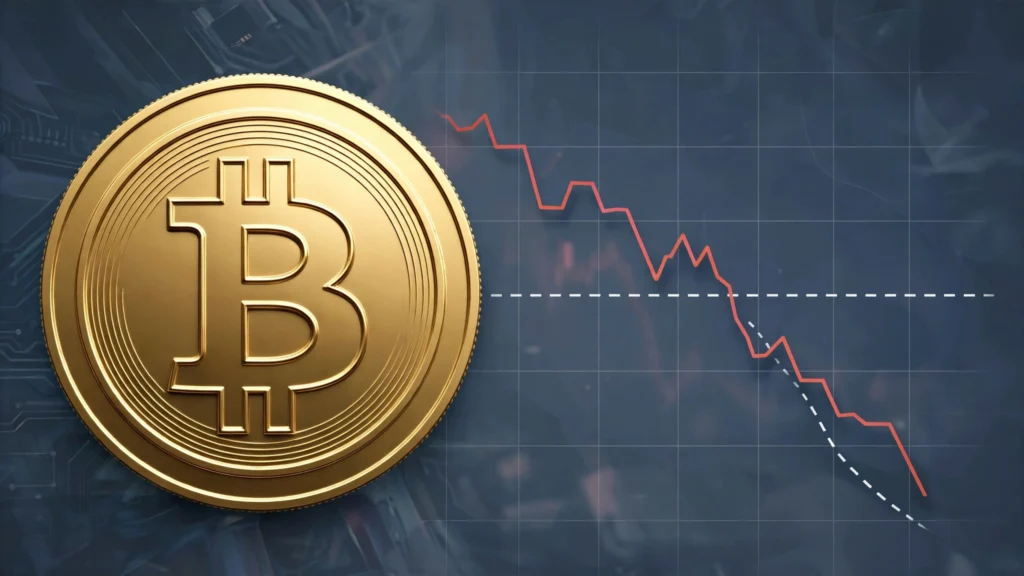
Bitcoin fell below $70,000 on Friday, November 13, for the first time since August. It did not stop there. By Sunday morning it was trading around $65,900, after dipping to about $62,000 overnight, its lowest price in about three months. Update, Monday night: it was trading around $65,250 late on Monday, November 16, still well below $70,000.
If you are new to crypto, a move like this can look alarming. A big round number broke, headlines turned red, and the price kept sliding over the weekend. This post explains, in plain English, what happened, why it happened, and what it does and does not mean for a beginner.
This is educational, not financial advice. Nothing here is a prediction or a recommendation to buy or sell.
1. What happened, in plain English
On Friday, November 13, Bitcoin dropped below $70,000 to as low as $67,770, its lowest since August 19. About $1.6 billion in leveraged crypto positions were liquidated as the price broke that level.
Then the selling continued into the weekend. On Saturday, Bitcoin slipped under $67,000, and overnight it touched about $62,006 before bouncing back toward $65,000 to $66,000 on Sunday morning. It closed Sunday at $65,351, and traded around $65,250 late on Monday. It is now about 14% lower than it was a week ago, and it has now fallen for six straight weeks.
Ether fell too, to about $1,711 on Sunday, its lowest since July 9, after trading near $1,952 on Friday. It recovered to about $1,826 by late Monday.
Put simply: Bitcoin is about 48% below its record high of $126,080, set on October 6, 2025, based on Monday night’s price of about $65,250. That sounds dramatic, and it is a large fall. It is also the kind of swing Bitcoin has had before, which is why position size matters more than any single headline.
2. Why it happened and why it was not really about Bitcoin
The main driver was not a crypto hack, a broken exchange, or a problem with Bitcoin itself. It was interest rates.
October inflation came in hotter than expected: headline CPI rose 0.4% and core CPI rose 0.3% for the month. After that report, traders raised the odds of the US Federal Reserve raising interest rates at its December 8-9 meeting to about 88% at first, and that has since risen to about 92% for a 25-basis-point hike.
That shift moved everything else:
- The US dollar strengthened, with the Dollar Index rising above 103.
- The 10-year Treasury yield rose to about 5.10% at first and to about 5.15% by Monday.
- Riskier assets, including stocks and crypto, fell.
Bitcoin pays no interest or dividend. When government bonds pay around 5%, holding cash and bonds looks more attractive by comparison, and investors demand a bigger reason to hold assets that pay nothing. That is the simple version of what happened: money got more expensive, and Bitcoin, like other risk assets, felt it.
There was also selling pressure from funds. US spot Bitcoin ETFs recorded about $1.91 billion in net withdrawals over seven straight trading sessions from November 5 to 13. When large holders sell, the price does not need a new story to keep falling. It just needs more sellers than buyers.
3. Why $1.6 billion in liquidations made it worse
A lot of crypto trading is done with leverage, borrowed money that magnifies both gains and losses.
When Bitcoin broke $70,000, many traders who had bet, with leverage, that the price would rise were forced to sell. Their positions were closed automatically, and that forced selling pushed the price lower, which forced more selling. About $1.6 billion of leveraged positions were liquidated around the break.
This is a useful lesson for beginners: leverage turns a normal fall into a sharp one. It is also why “buying the dip” with borrowed money is so risky. You can be right about the long term and still be forced out on a short-term move.
4. What it does NOT mean
A sharp fall invites simple explanations, and most of them are wrong here.
- It was not a hack. There was a Binance-related story circulating at the time, but Coinbase Institutional’s read, reported on November 13, was that Fed rate expectations, not the Binance hack, drove the slide.
- Bitcoin did not “break.” The network kept running. A price fall is not the same as a protocol failure.
- It does not mean Bitcoin is finished, or that it must bounce. Prices can stay low for a long time, and they can also recover. A single weekend does not settle that question, and anyone who tells you they know which way it goes next is selling certainty they do not have.
If you are just learning about crypto, this is a good moment to separate the technology from the price. The price is a market verdict today. It is not a grade on the idea.
5. What beginners should and should not do
Do not panic-sell on a headline. Selling in the middle of a sharp fall usually means selling at the worst moment, after the loss has already happened. If you already own Bitcoin, ask whether your reason for owning it has changed, not whether the price chart looks scary today.
Do not buy on leverage to “catch the dip.” As the liquidations above show, leveraged buying is how small falls become big losses. If you want to learn, learn with money you can afford to lose and without borrowing.
Check the basics first. Before buying more of anything, make sure your emergency fund is in place. If a price fall would force you to sell to pay a bill, the position is too big. Our guide to building an emergency fund and our cryptocurrency for beginners guide are good places to start if either of those is new to you.
Revisit position size, not your whole plan. A useful beginner rule is to decide in advance how much of your money belongs in a volatile asset like Bitcoin, and to keep it small enough that a 14% week does not change your life. That decision matters far more than timing one weekend correctly.
If you already hold Bitcoin on an exchange and are thinking about long-term storage, read how to transfer crypto from an exchange to cold storage and our guide to crypto wallet safety.
6. What to watch next
Three things matter more than today’s price:
- The Fed meeting on December 8-9. That is the next big decision on interest rates, and it is the story that started this move. Watch what the Fed actually does, not just what traders expect today. The Fed minutes on November 18 may give an early read on how close officials were to moving in October.
- Whether $70,000 becomes resistance. The level Bitcoin fell through is now the level it would need to climb back above to show the selling has eased. Market watchers are also watching about $62,000 below, the weekend low, and about $65,000, roughly where it is trading now. Those are levels other traders are watching, not a forecast.
- Nvidia earnings on November 17, and Monday’s ETF flows. Nvidia reports on Tuesday, and weak tech earnings could add pressure across risk assets. Monday’s ETF flow figures, due on Tuesday, will show whether the selling from big funds continued or eased.
If you are comparing Bitcoin with other crypto, our Bitcoin vs Ethereum for beginners post explains the difference, and our crypto staking for beginners post explains one way some holders earn yield, with its own risks.
The bottom line
Bitcoin fell below $70,000 because interest-rate expectations changed, the dollar strengthened, and leveraged traders were forced to sell, not because Bitcoin itself broke. The fall deepened over the weekend to about $62,000, it closed Sunday at $65,351, and it was trading around $65,250 late on Monday. The next tests are Nvidia earnings, the Fed minutes, and the Fed’s December meeting.
For a beginner, the lesson is not to predict the next move. It is to keep positions small, avoid leverage, keep an emergency fund first, and understand why a price moved before deciding what to do about it.
This article is for education only and is not financial advice.
About The Author