
 Akash Kumar
A state government buying Bitcoin sounds like a headline built for clickbait, but this one’s real, it’s moving through actual public procurement processes, and it’s worth understanding on its own terms rather than through either hype or dismissal.
Quick Answer
Texas is transitioning its state Bitcoin reserve from indirect ETF exposure to directly owning and custodying Bitcoin after naming an advisory committee and requesting proposals from qualified crypto custodians. It’s one of the first real, funded state-level Bitcoin reserves in the country, though it doesn’t mean the state is recommending Bitcoin as an investment for individual residents.
A state government buying Bitcoin sounds like a headline built for clickbait, but this one’s real, it’s moving through actual public procurement processes, and it’s worth understanding on its own terms rather than through either hype or dismissal.
What’s Actually Happening
The Texas Comptroller’s office named an advisory committee to guide the state’s Strategic Bitcoin Reserve and issued a formal request for proposals seeking a qualified crypto custodian.
Currently, the reserve holds roughly $10 million of exposure indirectly, through BlackRock’s iShares Bitcoin Trust, an exchange-traded fund. The plan on the table would shift that exposure into directly owned and custodied Bitcoin within a defined transition window.
Why This Matters, Even If You Don’t Own Any Crypto
This isn’t happening in isolation. Texas passed legislation authorizing the reserve, following New Hampshire, which enacted its own crypto reserve law giving the state treasurer authority to invest up to 5% of state funds in crypto ETFs.
Arizona has passed similar legislation, and several other states have bills moving through committee.
At the federal level, a March 2025 executive order established a federal Strategic Bitcoin Reserve, and a bill called the American Reserve Modernization Act, with bipartisan sponsors, would formalize and expand that federal reserve if passed.
State-level moves like Texas’s are part of a broader, still-unfolding shift in how governments are treating Bitcoin: less as a speculative curiosity and more as a reserve asset worth holding directly, the way gold has traditionally been held.
What This Does NOT Mean
It’s worth being precise here, since it’s easy to read too much into a story like this.
- A state buying Bitcoin for its treasury is not the same as a state recommending Bitcoin as a personal investment; these are different decisions made for different reasons.
- This doesn’t guarantee Bitcoin’s price will rise; state treasuries can lose value on volatile assets the same as anyone else.
- It doesn’t change how Bitcoin is taxed or regulated for individual investors in Texas or elsewhere.
- It’s a slow-moving procurement and custody process, not a single dramatic purchase; the transition from ETF exposure to direct holdings is happening in defined stages, not overnight.
How This Connects to What You Might Already Know
If you’ve read our guide on what a crypto wallet actually is, this is the institutional scale version of the same core problem states are solving: how do you securely custody a digital asset?
Texas requesting proposals from a qualified custodian is essentially the state government equivalent of choosing between a hot wallet and cold storage, just with considerably more due diligence, oversight, and dollar amounts involved.
What to Actually Take Away as an Everyday Investor
Treat this as a signal that Bitcoin is being taken more seriously at an institutional level, not as a signal to change your own strategy.
If you’re already holding or considering Bitcoin as a small piece of a diversified plan, this is useful context. If you weren’t already interested in crypto, a state treasury’s custody arrangement isn’t, on its own, a reason to start.
FAQs
Q1. Does Texas actually own Bitcoin right now?
As of this writing, Texas holds roughly $10 million in Bitcoin exposure through an ETF (BlackRock’s iShares Bitcoin Trust) and is in the process of transitioning toward directly owned and custodied Bitcoin.
Q2. Which other states have a Bitcoin reserve?
New Hampshire and Arizona have both passed legislation enabling state crypto reserves, and several more states, including Massachusetts, Ohio, and South Dakota, have related bills at various stages of the legislative process.
Q3. Should I buy Bitcoin because Texas is buying it?
Not on that basis alone. A state treasury’s asset allocation decisions are made for entirely different reasons and risk tolerances than an individual investor’s; this is informational context, not investment advice.
Q4. Is there a federal bitcoin reserve too?
Yes, in an early form. A March 2025 executive order established a federal Strategic Bitcoin Reserve, and Congress is considering the American Reserve Modernization Act, which would expand and formalize it further.
Key Takeaways
- Texas is moving from indirect Bitcoin ETF exposure to direct, custodied Bitcoin holdings for its state reserve.
- New Hampshire and Arizona have similar programs; more states have bills in progress.
- A state holding Bitcoin is not the same as a recommendation for individual investors.
- This is a slow, staged procurement process, not a single headline-driving purchase.
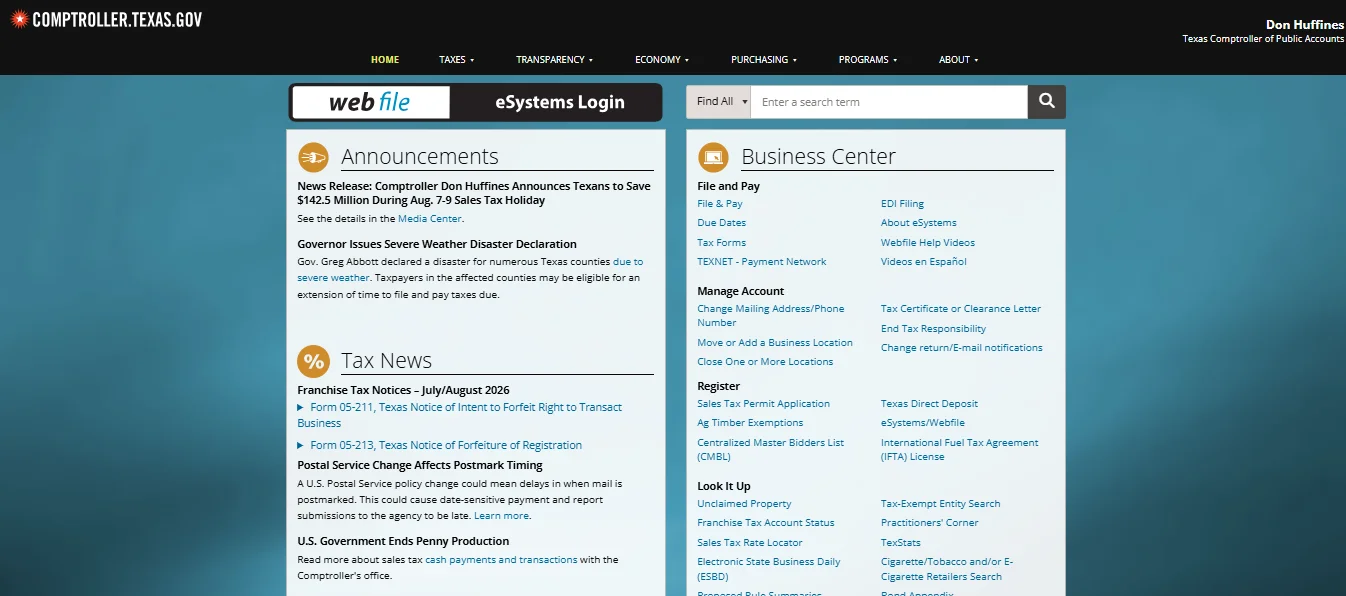
Sources Cited: Texas Comptroller of Public Accounts, Strategic Bitcoin Reserve updates comptroller.texas.gov. Investor.gov, cryptocurrency and digital assets guidance for individual investors investor.gov.
Disclaimer: This article is for general education, not financial or legal advice.
About The Author