 Akash Kumar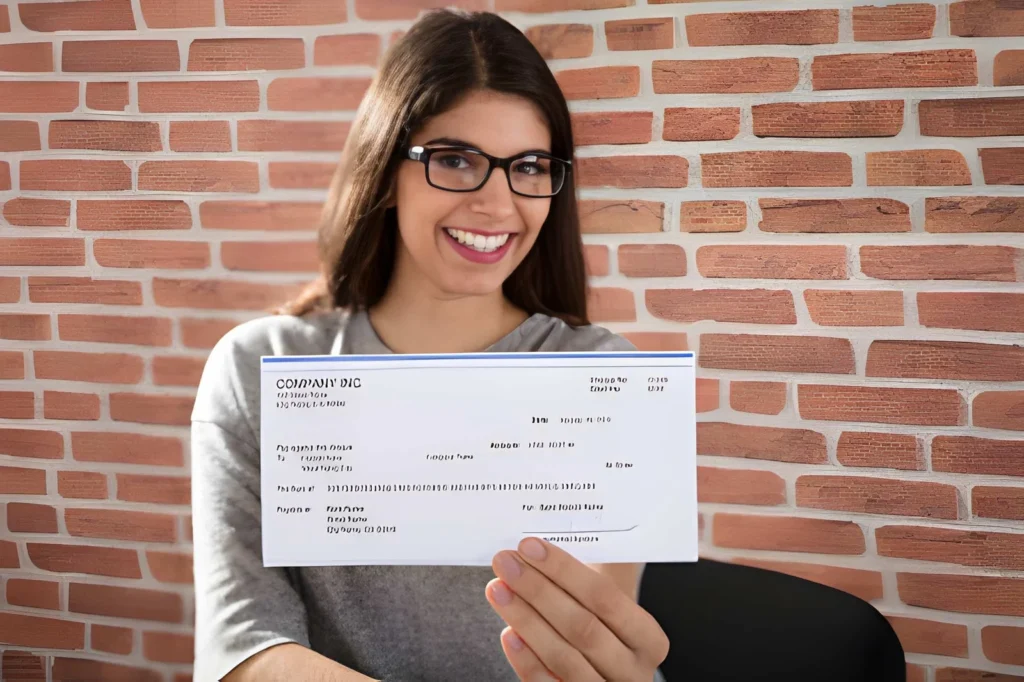
There is a special kind of excitement that comes with your very first paycheck. You worked for it; it is finally yours, and for a moment the whole world feels a little more open. Then a quieter question creeps in: what am I actually supposed to do with this money? If you have found yourself staring at your bank balance feeling a mix of pride and confusion, you are in exactly the right place, and you are far from alone.
Scroll through Reddit threads on r/personalfinance or r/FinancialPlanning and you will see the same question asked over and over, in slightly different words: I just got my first paycheck, what do I do with it? The answers range from wise to wild. This guide pulls together the genuinely smart advice into one simple, step-by-step plan, without the jargon and without the pressure to become a financial guru overnight.
Here is the honest truth up front: you do not need to do everything perfectly, and yes, you are allowed to enjoy some of it. The goal is to build a simple habit now that quietly pays you back for the rest of your life. Let us walk through it together.
Key Takeaways

First, Take a Breath (and Yes, Celebrate a Little)
Before we get into savings accounts and budgets, let us start with permission: you are allowed to enjoy your first paycheck. In fact, many people who are great with money will tell you the same thing. On those Reddit threads, one of the most upvoted pieces of advice is surprisingly simple: treat yourself to one nice thing.
Why does this matter? Because personal finance is a long game, and a plan you resent is a plan you will quit. Spending a small, guilt-free amount, say a nice dinner, a gift for a parent, or that one thing you have been eyeing, connects the hard work of earning to the reward of enjoying. It makes the whole thing feel worth it, which keeps you motivated for the smarter steps that follow.
The key word is small. We are talking about a slice, not the whole pie. A good rule of thumb: pick one thing, set a modest limit like 10 to 20% of the cheque, enjoy it fully, then move on to the plan below with a clear conscience. Celebrate the milestone, then get to work building the habit.
Step 1: Learn the Golden Rule, Pay Yourself First
If you remember only one idea from this entire guide, make it this one: pay yourself first. It is the single most powerful money habit you can build, and it is beautifully simple.
Paying yourself first means that the moment your paycheck lands, you move a set amount straight into savings before you spend a dollar on anything else. Most people do the opposite. They spend on bills, food, and fun, then try to save whatever is left at the end of the month. The problem is that there is almost never anything left. Life fills the space. By flipping the order and saving first, you guarantee that your future self always gets paid.
The easiest way to do this is to make it automatic. Set up an automatic transfer so that on payday, a fixed amount moves from your checking account into a separate savings account without you lifting a finger. When saving happens automatically, you never have to rely on willpower, and willpower is exactly the thing that fails us when a sale or a night out comes along. We cover this habit and many more in our full guide on how to save money.
How Much of Your First Paycheck Should You Save?
This is the number one follow-up question, and the honest answer is: start with what you can stick to. A widely repeated benchmark, echoed across those Reddit threads, is to save at least 10% of every paycheck, working up toward 15 or 20% over time. But here is the part most people miss.
When you are just starting out, the exact percentage matters far less than the habit itself. Saving 10% consistently, month after month, will do more for you than saving 50% once and then giving up because it felt impossible. Start at a level that feels almost too easy, then increase it a little each time you get a raise. That gentle, steady approach is how ordinary people build real savings without feeling deprived.
Here is a simple way to picture it. Imagine your first paycheck is $700, a common real-world example. Here is one balanced way to divide it.
| Slice of a $700 first paycheck | Amount | What it is for |
| Treat yourself (fun) | $100 | One guilt-free reward for the milestone |
| Emergency fund (save) | $100 | Your first safety cushion |
| Future / Roth IRA | $70 | Long-term growth, roughly 10% |
| Everyday needs & buffer | $430 | Bills, food, transport, breathing room |
These are not strict rules; they are a starting shape you can adjust to your life. If you still live with family and have few bills, you can save a much bigger slice. If money is tight, save a smaller amount and do not feel guilty about it. The point is to give every dollar a job, which is the heart of budgeting.
Step 2: Open the Right Accounts
To actually follow the plan above, you need a couple of simple accounts. If you are under 18, you will likely need a parent to help open these, which is completely normal. Here are the ones that matter most when you are starting out.
A checking account is where your paycheck lands and where you pay for daily life. A high yield savings account (often shortened to HYSA) is where your savings should live, and this one is a genuine game changer. A regular savings account at a big bank might pay you almost nothing, sometimes as little as 0.01% interest. A high yield savings account can pay far more, often around 3.5 to 4%, which is real money for doing nothing but choosing the right account.
To put that in perspective with a number people love on Reddit: keep $1,000 in a typical big-bank savings account and you might earn less than a dollar a year. Keep that same $1,000 in a high yield savings account at 4% and you earn about $40 a year, and it grows as your balance grows. Same money, same safety, just a smarter home for it. Look for one with no monthly fees, no minimum balance, and federal insurance, which protects your money.
For a clear, unbiased explanation of how these accounts are insured and protected, the FDIC’s official site is worth a bookmark. Your money in an FDIC-insured account is protected up to $250,000, which is why a high yield savings account is considered just as safe as any bank account.

Step 3: Build a Starter Emergency Fund
With your accounts set up, your first real savings goal is a starter emergency fund. This is money set aside for life’s surprises, a car repair, a phone that dies, an unexpected bill, so that when something goes wrong (and eventually it will), you can handle it with cash instead of a credit card or a panicked call home.
You do not need a huge amount to start. A common first milestone is $500 to $1,000, which covers most everyday emergencies. Once you have that, you can build toward the bigger goal that finance experts recommend: three to six months of your essential expenses. That larger cushion is what protects you from a real setback like losing a job, and it gives you something priceless, the freedom to make calm decisions instead of desperate ones.
On Reddit, you will notice this advice repeated by almost everyone who is good with money: build the emergency fund before you start investing. There is a good reason for that order. If you invest every spare dollar and then an emergency hits, you might be forced to sell your investments at a bad time to cover the bill. A cash cushion keeps your long-term money invested and growing, undisturbed.
Step 4: Think About Your Future Self (Retirement, Already?)
Yes, really. This is the step that separates people who quietly build wealth from people who always feel behind, and the secret ingredient is time. When you are young, you have the one thing money cannot buy back: decades for your money to grow. This is thanks to compound interest, which is basically your money earning money, and then that money earning money too.
The tool most often recommended for this on Reddit, and for good reason, is a Roth IRA. It is a retirement account you can open yourself, and it has a wonderful feature: you pay taxes on the money now (while your income and tax rate are likely low), and then your money grows completely tax-free, so you pay nothing when you withdraw it in retirement. For a young person just starting out, that is close to a perfect deal.
Here is the part that sounds almost too good to be true. Because of compounding, a small amount invested in your late teens or twenties can grow into a startling sum by retirement. Someone who invests a modest amount each month starting young can end up with far more than someone who invests much more but starts a decade later. You genuinely cannot make up for lost years, which is why starting now, even with a tiny amount, is so powerful.
You do not need to pick complicated investments, either. Inside a Roth IRA, many beginners simply choose a low-cost index fund, which spreads your money across hundreds of companies at once, keeping things simple and diversified. If your job offers a 401(k) with an employer match, start there first, because that match is free money you should never leave behind. Not sure where to begin with any of this? Our beginner walkthrough on how to start investing breaks it down step by step.
For trustworthy, ad-free basics on retirement accounts and investing, the US government’s Investor.gov is an excellent resource run by the SEC.
The Real Power of Starting Young: A Simple Example
Let us make the case for saving early with real, easy numbers, because once you see this, the whole thing clicks. Imagine two friends, Maya and Sam. Maya starts putting away just $100 a month at age 18 and keeps it up. Sam waits until age 28 to start the exact same $100 a month. Both invest in a simple fund earning a typical long-term average return. By the time they reach 60, something surprising has happened.
Maya, who started ten years earlier, ends up with dramatically more money, often nearly double, even though she only contributed $12,000 more over those ten extra years. That gap is the magic of compound interest doing its quiet work over time. The money Maya invested in her late teens had four decades to grow, and each year’s growth built on the last. This is why the single most valuable thing about your first paycheck is not the amount; it is the timing. You are young, and time is the one advantage you can never get back later.
| Who | Starts saving $100/mo at age | Roughly by age 60 |
| Maya | 18 | Nearly double Sam’s total |
| Sam | 28 | About half of Maya’s total |
You do not need to save $100 a month right now if that is too much. The lesson is simpler than that: start with whatever you can, even $20 or $30, and let time do the heavy lifting. Future you will be genuinely grateful.
Understanding Your Pay Stub (Don’t Skip This)
When your first paycheck arrives, you might notice something confusing: the amount you actually receive is smaller than the salary or hourly rate you were promised. That is not a mistake, and understanding why will make you far better with money. The difference comes from deductions taken out before you ever see the cash.
Your gross pay is the full amount you earned before anything is taken out. Your net pay, also called take-home pay, is what actually lands in your account after deductions. Those deductions typically include federal and state income taxes, Social Security and Medicare (often labeled FICA), and sometimes health insurance or retirement contributions. Getting familiar with your pay stub now helps you budget accurately, because you always plan around your take-home pay, not the bigger gross number.
It is worth taking five minutes to actually read your first pay stub line by line. If a deduction confuses you, that is normal, and the IRS website has clear, official explanations of what each tax is. Understanding where your money goes before it even reaches you is a genuine sign of financial maturity, and it puts you ahead of many adults who never bother to look.
Step 5: Start a Simple Budget With Paycheck Number Two
Notice we did not start with a budget. That is intentional. For your very first paycheck, the priority is celebrating the milestone and setting up your accounts. But starting with your second paycheck, a simple budget is what turns these one-time actions into a lasting system.
Do not let the word budget scare you. It is nothing more than a plan for your money, telling it where to go instead of wondering where it went. The easiest method for beginners is the 50/30/20 rule, which splits your take-home pay into three simple buckets: 50% for needs, 30% for wants, and 20% for savings and paying off any debt. It is popular precisely because it is simple enough to actually follow.
If even that feels like too much structure at first, start with something even simpler that Reddit users swear by: for one month, just write down everything you spend. A notebook or a free spreadsheet is fine; you do not need a fancy app. Seeing where your money actually goes is often a genuine eye-opener, and it naturally shows you where you can save more without feeling deprived.
Once you are comfortable, you can grow into a complete system. Our guide on how to manage your money ties budgeting, saving, debt, and investing into one clear plan you can follow for years.
What About Debt? Handle It Early
If you already have some debt, maybe a small credit card balance or a student loan, do not ignore it. High-interest debt, especially credit cards, can grow faster than almost any savings account, so it deserves attention early. A smart approach is to keep a small starter emergency fund, then throw extra money at your highest-interest debt. Our step-by-step guide on how to get out of debt walks through exactly how to do this without feeling overwhelmed, and if you have more than one debt, our comparison of the debt snowball versus avalanche methods helps you pick the approach that fits you.
One more early habit worth building: pay attention to your credit score. If you use a credit card, use it only for what you can pay off in full each month, and pay on time, every time. Good habits now build a strong credit history that saves you real money later on car loans, apartments, and mortgages.
How to Split Every Future Paycheck (Not Just the First)
Your first paycheck is a celebration and a setup. But the real wealth-building happens with the habit you carry into every paycheck after it. So let us zoom out and talk about a simple, repeatable system you can use for years, adjusting the numbers as your life changes.
The idea is to divide each paycheck into a few clear buckets the moment it arrives, ideally automatically. Here is a beginner-friendly split many people use, loosely based on the popular percentage approach. You do not have to copy it exactly; think of it as a starting shape.
| Bucket | Rough share | What it covers |
| Needs | 50% | Rent, food, transport, bills, minimums |
| Wants | 20-30% | Fun, dining out, hobbies, subscriptions |
| Savings | 10-20% | Emergency fund, then bigger goals |
| Future / investing | 10% | Roth IRA or 401(k) for retirement |
If you still live at home with few expenses, flip these numbers and save a much larger share while you can; it is the easiest time in your life to build a big head start. As you take on rent, a car, and other costs, you adjust the percentages to fit reality. The system stays the same; only the numbers move. That flexibility is what makes it something you can genuinely follow for the long haul.
Real Advice From People Who’ve Been There
One of the nice things about this question is how many people have answered it honestly online. Reading through the personal finance communities, a few themes come up again and again, and they are worth repeating because they come from real experience, not theory.
- Pay yourself first, always. Person after person says the habit of automatically saving a slice of every check, before spending, is what changed their finances. Not the amount, the habit.
- Emergency fund before investing. The most consistent advice is to build a cash cushion first, so you are never forced to sell investments or borrow when life surprises you.
- Start the Roth IRA young. Countless people wish they had started retirement savings earlier, because they now see how much compounding rewarded the few who did.
- Enjoy a little, guilt-free. Almost everyone agrees you should celebrate the milestone. The ones who felt deprived early often burned out on budgeting later.
- Avoid lifestyle creep. As your income grows, resist letting your spending grow just as fast. Save the raises, and you win.
The reassuring takeaway is that the smart path is not complicated or extreme. It is a handful of simple habits, started early and repeated consistently. You do not need to be a finance expert; you just need to begin.
A Simple First-Paycheck Checklist
Let us bring it all together into a short list you can actually follow. You do not have to do everything at once; even the first two or three steps put you ahead of most people.
- Celebrate: spend a small, guilt-free amount on one thing you enjoy.
- Open a checking account and a no-fee high yield savings account.
- Set up an automatic transfer to save at least 10% of every paycheck.
- Build a starter emergency fund of $500 to $1,000.
- Open a Roth IRA and start investing a small amount for your future.
- Starting with paycheck two, follow a simple budget like the 50/30/20 rule.
- Tackle any high-interest debt and build good credit habits.
What If Your First Paycheck Is Small?
Maybe your first paycheck is not much: a part-time shift, a summer job, a starter role. It is easy to feel like there is no point in doing any of this with a small amount. Push back on that thought, because it is exactly backwards. When the amount is small, the stakes of a mistake are low, which makes it the perfect, low-pressure time to practice good habits. You are essentially training with light weights before the real load arrives.
A small paycheck teaches you the system without much risk. You learn how to move money to savings, how a budget feels, how it feels to leave your emergency fund untouched when you are tempted. Then, when your income grows, and it will, you already have the muscle memory in place. The person who practiced saving 10% of a $300 check is far more likely to save 10% of a $3,000 check later. The habit scales; the dollar amount is almost beside the point at this stage.
So do not wait for a bigger paycheck to start being smart with money. Start now, with whatever you have. Save a few dollars, open the right accounts, and build the routine. Small beginnings handled well are how nearly every financially secure person got started.
A Quick Word on Taxes and Your Paycheck
Taxes can feel intimidating when you are new to working, but a little understanding goes a long way and prevents unpleasant surprises. When you started your job, you likely filled out a form called a W-4, which tells your employer how much tax to withhold from each paycheck. If too little is withheld, you could owe money at tax time; if too much is withheld, you get a refund, but you have loaned the government your money for free all year.
For most beginners, the withholding your employer sets up by default is a fine starting point. As you earn more or your situation changes, it is worth checking that your withholding roughly matches what you actually owe. The IRS offers a free tax withholding estimator that walks you through it in plain language. Getting comfortable with how taxes affect your paycheck now means far less stress every spring, and it is one more sign that you are taking real ownership of your money.
First-Paycheck Mistakes to Avoid
- Blowing the entire check. Enjoying a slice is healthy; spending it all leaves you with nothing to build on and a habit that is hard to break.
- Waiting to start saving. The best time to build the habit is your very first check. Every paycheck you wait is momentum lost.
- Leaving savings in a big-bank account earning nothing. Move it to a high yield savings account and let it actually grow.
- Trying to do everything perfectly. You do not need the perfect budget or the perfect investment on day one. Start simple and improve over time.
- Ignoring free money. If your employer offers a 401(k) match, contribute enough to get all of it. Passing it up is leaving money on the table.
How to Set Your First Money Goals
A paycheck feels a lot more meaningful when it is pointed at something you actually want. That is why setting a few simple goals early makes saving feel exciting instead of restrictive. You are not just stashing money away for no reason; you are building toward things that matter to you. Goals turn budgeting from a chore into a tool.
Think in three time horizons. Short-term goals are things within the next year, like a starter emergency fund, a new laptop, or a trip. Mid-term goals sit a few years out, such as a car, moving out, or a bigger travel fund. Long-term goals are the big ones, like retirement or a future home. Assigning your savings to specific goals, rather than a vague ‘savings’ pile, keeps you motivated because you can see progress toward things you care about.
| Goal type | Time frame | Example | Where to keep it |
| Short-term | Under 1 year | Emergency fund, new phone | High yield savings account |
| Mid-term | 1-5 years | Car, moving out, travel | High yield savings account |
| Long-term | 5+ years | Retirement, a home | Roth IRA, index funds |
Notice the last column. Money you will need soon belongs somewhere safe and easy to reach, like a high yield savings account, because you cannot risk it dropping right before you need it. Money you will not touch for many years can be invested to grow far more over time. Matching each goal to the right home is a simple but powerful skill that will serve you for life.
Turning One Good Paycheck Into a Lifetime Habit
Here is the honest secret that ties this whole guide together: wealth is not built by one perfect paycheck. It is built by hundreds of ordinary paychecks handled a little bit wisely over many years. Your first check is not important because of its size; it is important because it is your chance to start the habits that compound into real financial security.
So do not put pressure on yourself to make one flawless decision. Instead, focus on setting up systems that make good choices automatic: the automatic transfer to savings, the recurring Roth IRA contribution, the simple budget you glance at each week. Once those are running quietly in the background, being good with money stops requiring constant willpower. It just becomes who you are. And that shift, from struggling to remember to having a system that runs itself, is what separates people who always feel behind from people who steadily get ahead.
You are at the very beginning of that journey, holding your first paycheck and asking the right question. That alone puts you ahead of where most people were at your stage. Take the small steps in this guide, be patient with yourself, and let time and consistency do the rest. Your future self is going to be so glad you started now.
FAQs
How much of my first paycheck should I save?
A good starting target is to save at least 10% of your paycheck, then work up toward 15 to 20% over time. If you have few expenses, save more; if money is tight, save what you can. The habit of saving consistently matters more than the exact amount when you are starting out.
Should I spend or save my first paycheck?
Do both. It is healthy to spend a small, guilt-free amount, around 10 to 20%, on one thing you enjoy to celebrate the milestone. Then save the rest, starting with an emergency fund. Enjoying a slice keeps you motivated to stick with smart money habits.
Where should I put the money I save from my first paycheck?
Keep your everyday spending money in a checking account, and put your savings in a high yield savings account, which is safe, federally insured, and pays far more interest than a regular account. For long-term money, consider a Roth IRA invested in a low-cost index fund.
Is it too early to think about retirement with my first paycheck?
No, and starting early is a huge advantage. Thanks to compound interest, money invested in your teens or twenties has decades to grow, so even small amounts can become a large sum by retirement. Opening a Roth IRA young is one of the most powerful money moves you can make.
What is the first thing I should do after getting my first paycheck?
First, celebrate with a small treat. Then set up the basics: a checking account, a no-fee high yield savings account, and an automatic transfer that saves at least 10% of each paycheck. Those simple steps build the foundation everything else stands on.
Helpful, unbiased resources: Consumer Financial Protection Bureau, Investor.gov, and the government’s MyMoney.gov.
Disclaimer: This article is for general education, not financial advice. Everyone’s situation is different; adapt these steps to your own income and goals, or speak with a qualified professional.
About The Author